This story turns a decorating idea into a practical approach for real homes instead of simply presenting a look.
Why did cold minimalism become tiring?
The Japandi aesthetic offered a strong start with natural materials and calm proportions; But as it was repeated in the catalogues, each house began to look like the same light wood, beige armchair and single ceramic vase. In real life there are cables, books, children's items, heritage furniture and pieces from different periods. The hot new simplicity places them in an orderly hierarchy rather than hiding them.
The goal is not to collect more items, but to let go of the “perfect set” pressure. Write down the parts actually used in your home; Separate those who only stand for photos. After creating the space, it becomes clear which surface should be exhibition, which should be for daily use, and which should be closed storage. This work should be done before buying new furniture.
Settlement starting with personal inventory
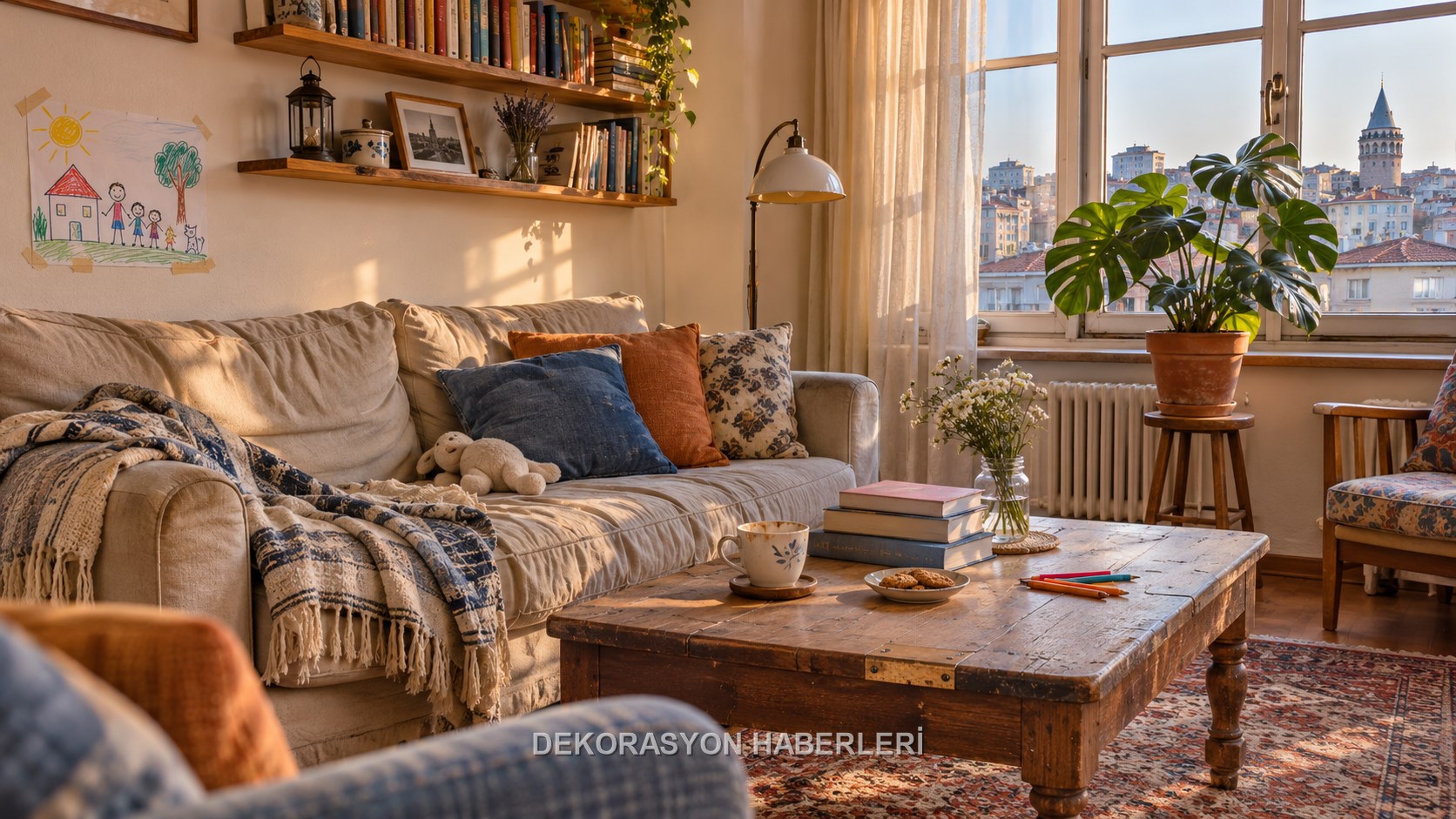
A frequently used book, musical equipment, knitting basket or family photo is not a defect that should be kept. However, when they are all on the same surface, the eye gets tired. Sort objects based on frequency of use and emotional value. Keep the everyday item accessible, the fragile keepsake sheltered, and the seasonal item in covered storage.
Instead of filling an entire shelf, leaving a third open makes the remaining items more visible. Instead of buying separate small decorations for each room, repeating a few personal pieces between rooms provides integrity. This approach works with editing, not shopping: you decide what stays.
“Simplicity does not mean erasing the traces of life from the house; It means consciously choosing what is visible.”
You don't have to match wood tones
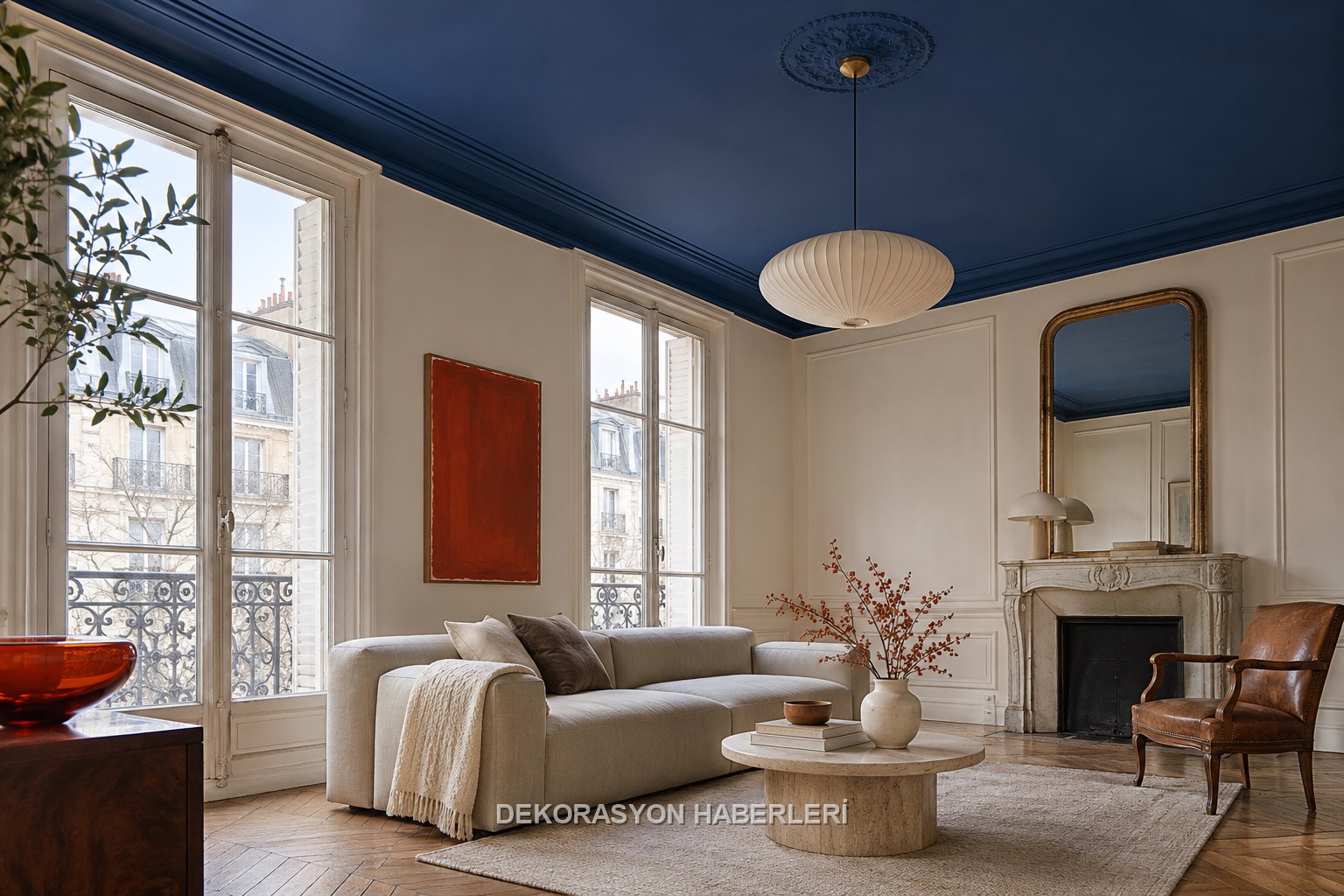
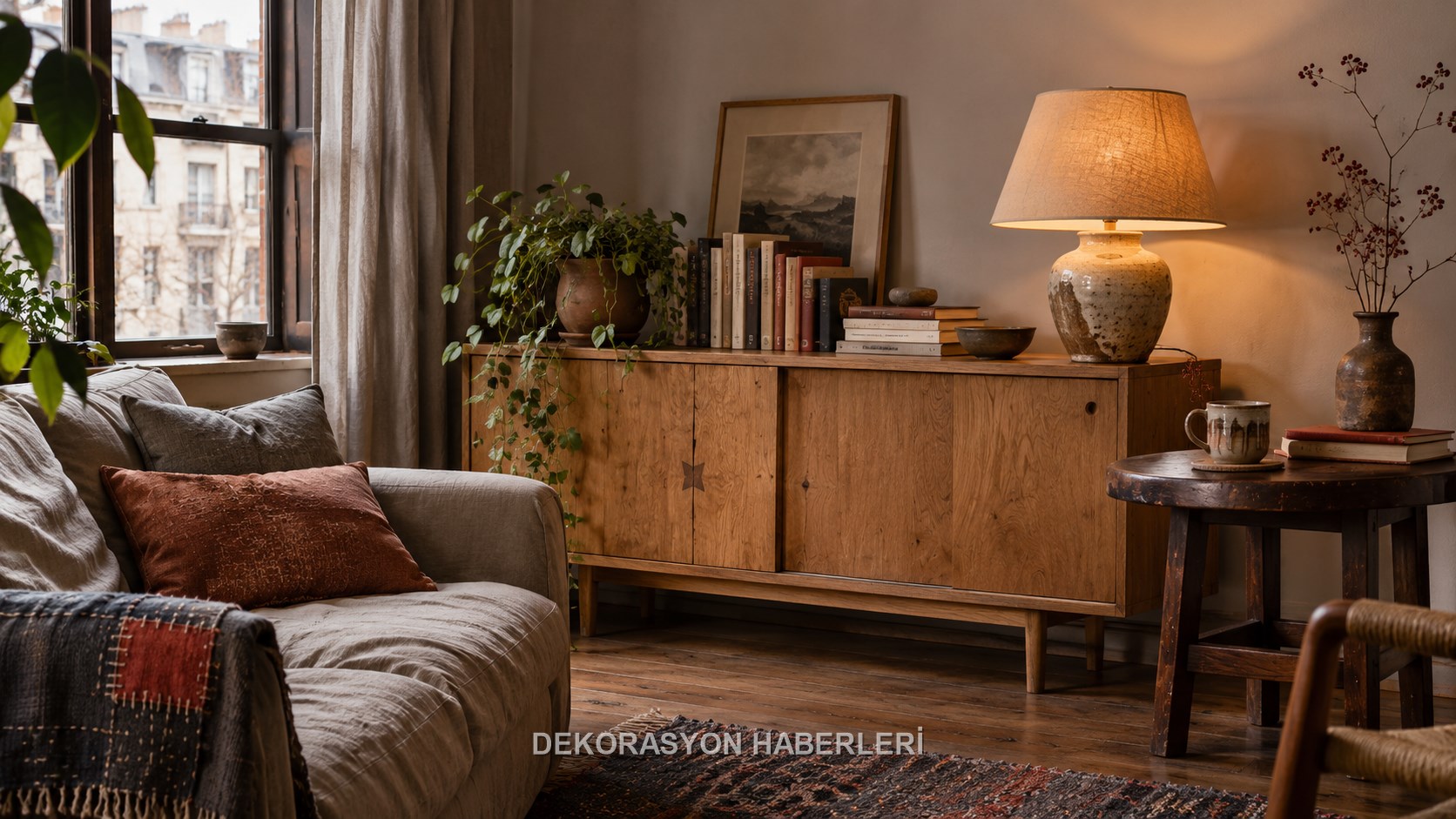
Adding light oak furniture alone to a light oak floor can flatten the room. Mid-tone teak or dark walnut adds depth with the right spacing and textiles. Consider the largest hardwood first as the main tone. Repeat the second tone at two or three points; use the third tone on a small frame or plate.
Sample control is important when red, yellow and gray undertones are next to each other. If possible, view the furniture next to the floor in the house, rather than in the store light. Instead of forcing different period pieces to the same polish color, connecting them with handle, fabric or wall color gives a more natural result. The real difference in wood grain is the temperature part.
Textile, texture and visible traces of use
Linen, wool, cotton and densely textured upholstery establish the tactile side of warm minimalism. Five different textures of the same beige color can look richer than five different colors. A slightly wrinkled throw or hand-repaired cushion on the sofa adds a personal layer without becoming the centerpiece. When choosing textiles, cleanliness and sun resistance are as important as aesthetics.
Instead of squeezing the carpet under the coffee table like a small island, choose a size that will connect the front legs of the seating group. Use a rail that can open the entire window without making the curtain unnecessarily heavy. Changing summer and winter textiles is one of the most effective ways to refresh the feel of the home without buying new decor.
Repair and patina do not spoil the professional appearance
A scratched coffee table or discolored cabinet does not always have to be replaced with a new one. The carrier connection can be strengthened, the surface can be cleaned and local repairs can be made, and the handle can be replaced. Rather than completely erasing the age of the furniture, maintaining a controlled patina gives continuity to the house. The material and type of old finish must be determined before the process.
Exaggerating the repair scar as a decorative effect also looks artificial. Solve the real need: fix the rocking foot, fix the sharp edge, protect the surface. Manufacturer's safety instructions, ventilation and protective equipment are required when using chemical removers, sanders and polishes. Get expert advice on valuable antiques.
Establishing layer and focus with lighting
A plain room can look plain and cold with a single ceiling lamp. The floor lamp with a fabric head in the living corner, the small table lamp on the cabinet and the general light together create a deeper atmosphere. Direct light onto a textured surface or reading area, not just a blank wall. Do not mix very different color temperatures in the same room.
Furniture height and curtain opening that do not block daylight are part of the daytime routine. Instead of placing the large plant in the middle of the window, move it to the side; Also consider the light needs of the leaves. Dimmable sources are useful for the evening scenario, but the switch and usage pattern must remain clear to everyone.
Less but more accurate shopping plan
First, live with the current order for three weeks and note the deficiencies. Then take measurements only for parts with defined functions. Look for the correct height, maintenance and material information for the coffee table purchased because it bears the “Japandi” label. It is easier to include second-hand and heirloom furniture in the plan from the beginning than to try to adapt it later.
At final inspection, the room should have easy access, adequate closed storage, personal but sparse display, and three different light levels. Warm simplicity does not produce perfect photography; It creates a calm backdrop that can be used again and again. For this reason, the number of permanent parts should be small and the selection criteria should be strong.
Related guides: Using different wood tones together · Safely giving a second life to your old coffee table · Planning the modern living room according to daily life
Perfect neutrals are replaced by dark wood, casual prints and a more personal layout.
Decision table
Application checklist
- ✓Why did cold minimalism become tiring?
- ✓Settlement starting with personal inventory
- ✓You don't have to match wood tones
- ✓Textile, texture and visible traces of use
- ✓Repair and patina do not spoil the professional appearance
Most common mistake
A plain room can look plain and cold with a single ceiling lamp. The floor lamp with a fabric head in the living corner, the small table lamp on the cabinet and the general light together create a deeper atmosphere. Direct light onto a textured surface or reading area, not just a blank wall. Do not mix very different color temperatures in the same room.…
Care note
First, live with the current order for three weeks and note the deficiencies. Then take measurements only for parts with defined functions. Look for the correct height, maintenance and material information for the coffee table purchased because it bears the “Japandi” label. It is easier to include second-hand and heirloom furniture in the plan from the…
Frequently asked questions
What should be decided first for After Japandi: a warmer kind of simplicity?+
The Japandi aesthetic offered a strong start with natural materials and calm proportions; But as it was repeated in the catalogues, each house began to look like the same light wood, beige armchair and single ceramic vase. In real life there are cables, books, children's items, heritage furniture and pieces from…
What should be checked before measuring and installation?+
A frequently used book, musical equipment, knitting basket or family photo is not a defect that should be kept. However, when they are all on the same surface, the eye gets tired. Sort objects based on frequency of use and emotional value. Keep the everyday item accessible, the fragile keepsake sheltered, and the…
Which criteria matter when choosing materials?+
Adding light oak furniture alone to a light oak floor can flatten the room. Mid-tone teak or dark walnut adds depth with the right spacing and textiles. Consider the largest hardwood first as the main tone. Repeat the second tone at two or three points; use the third tone on a small frame or plate. Sample control is…
How should the maintenance plan be organised?+
First, live with the current order for three weeks and note the deficiencies. Then take measurements only for parts with defined functions. Look for the correct height, maintenance and material information for the coffee table purchased because it bears the “Japandi” label. It is easier to include second-hand and…