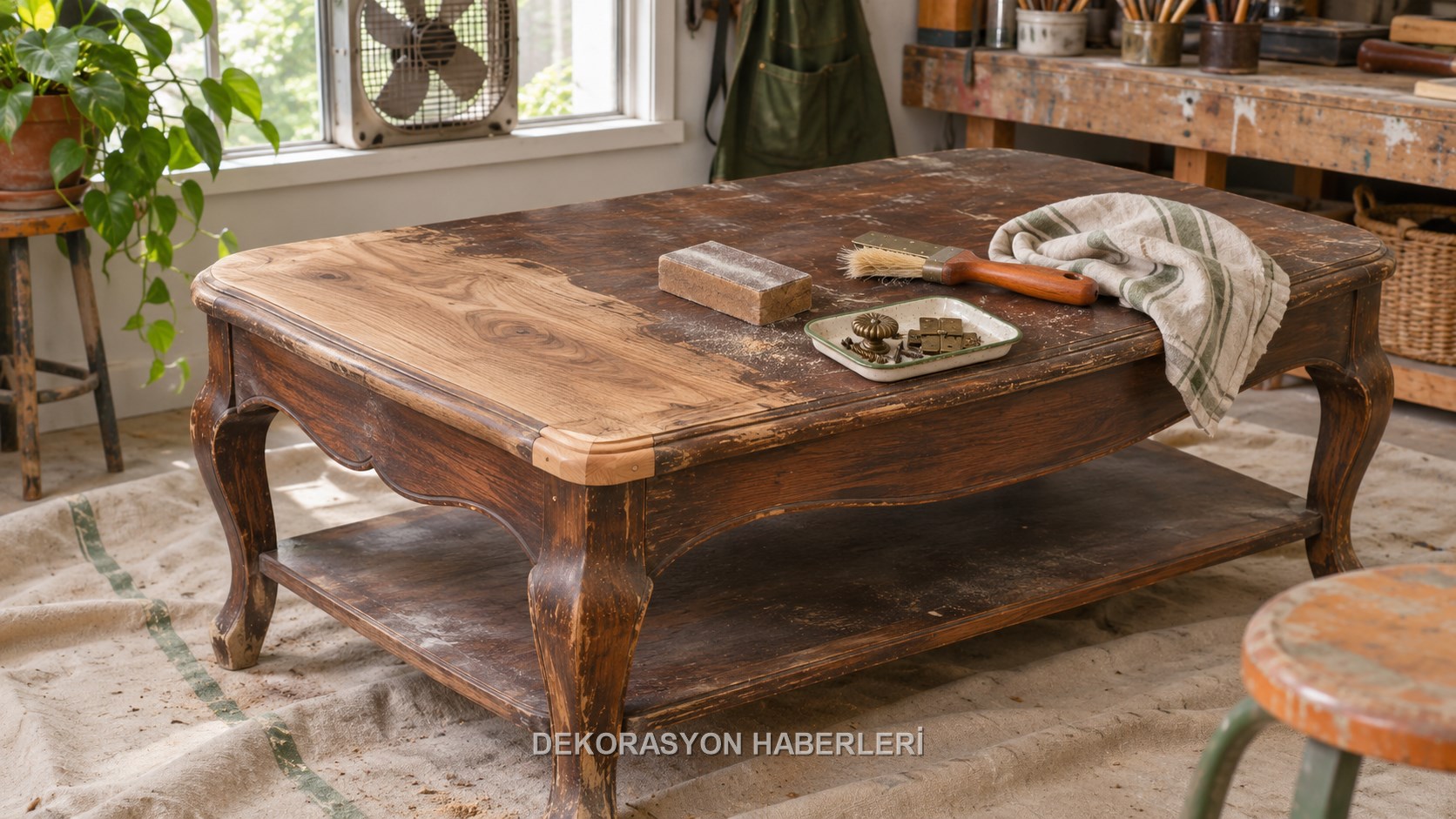
This story turns a decorating idea into a practical approach for real homes instead of simply presenting a look.
Read the problem before choosing a look
New handles for an old bedside cabinet: filling and redrilling begins with the existing condition rather than an image preference. Start by measure drawer-front thickness, old hole centres and internal hardware obstructions; without that record, dimensions, products and work sequence become assumptions.
The guide focuses on how to refresh a small cabinet with new handles while hiding old holes and making the new alignment repeatable. Considering daily habits, seasons, cleaning and future repair turns a short-lived decorative move into a durable solution.
Take starting photographs from consistent angles and define the problem in one sentence. Record what must be protected as carefully as what should change, including surfaces, routes, services and patterns of use.
Measurement and rehearsal
During measurement, finish filling, paint touch-up and the handle template on one drawer before continuing. Record edges, corners, opening clearances, maintenance access and movement separately from overall width and height so a paper solution also works in daily life.
Build the rehearsal at full scale where possible with reversible material. Tape, card, sample board or movable objects reveal circulation, reach, shadow, odour and cleaning behaviour as well as colour and appearance.
Review the test at different times and in at least two use scenarios. If electricity, water, gas, structural walls, façades or waterproofing are affected, have the dimensions and fixing decision checked by a qualified professional.
“Good decoration makes an attractive decision work through measurement, safety and care.”
Materials and tools
The core set is wood filler or matching plugs, paper template, fine drill bit, masking tape and new fixing screws. Compare products through substrate compatibility, technical documentation, full cure, cleanability, repair and use intensity as well as colour and headline price.
Confirm that primers, paints, adhesives, fillers and protective layers are compatible as one system. A sample is meaningful only when it uses the same tools, coat count and waiting times intended for the main work.
Divide the purchase list into essential material, application tools, personal protection and care products. Calculate waste and touch-up allowance, reserving enough traceable material from the same batch without unnecessary stock.
A safe sequence
Run the work through protection, cleaning, preparation, rehearsal, main application and final inspection. An error in one stage is not repaired by the next layer; it is merely hidden until use makes correction more expensive.
Finish filling, paint touch-up and the handle template on one drawer before continuing is a strong checkpoint before commitment. Judge the rehearsal through touch, opening, load, wiping and daily routes rather than photography alone.
Use suitable protection for drilling, cutting, sanding, chemicals, heavy loads or work at height. Structural fixing, electricity, gas, waterproofing and façade safety should be handled or verified by qualified professionals.
The most common mistake
The most common mistake is measuring every drawer separately and multiplying small alignment errors. Shortening preparation may appear to save time, but a surface, fixing or use problem usually sends the project back to the beginning.
When a fault appears, do not hide it with another coat or accessory. Pause, photograph the condition, isolate the cause and test the correction in a small area; preserving sound work is part of the repair.
Keep separate checklist approvals for measurement, product compatibility, safety, curing and maintenance. Do not proceed until each item is supported by direct observation, technical data or a successful sample.
Care and long-term performance
After completion, avoid overtightening screws, check loosening in the first month and retain the touch-up colour. Avoid heavy use, excess water and aggressive cleaners during the early period so finishes, adhesives and fixings can reach their intended performance.
Keep the product name, colour code, batch, fixing type and installation date in one note. A labelled sample and touch-up quantity make a future repair easier to match and less wasteful.
Inspect after one week, one month and the first seasonal change. Early attention to looseness, moisture, colour shift, cracking, difficult movement or cleaning problems is safer and more economical than delayed major repair.
Refresh a small cabinet with new handles while hiding old holes and making the new alignment repeatable.
Decision table
Application checklist
- ✓Read the problem before choosing a look
- ✓Measurement and rehearsal
- ✓Materials and tools
- ✓A safe sequence
- ✓The most common mistake
Most common mistake
The most common mistake is measuring every drawer separately and multiplying small alignment errors. Shortening preparation may appear to save time, but a surface, fixing or use problem usually sends the project back to the beginning. When a fault appears, do not hide it with another coat or accessory. Pause, photograph the condition, isolate the cause and…
Care note
After completion, avoid overtightening screws, check loosening in the first month and retain the touch-up colour. Avoid heavy use, excess water and aggressive cleaners during the early period so finishes, adhesives and fixings can reach their intended performance. Keep the product name, colour code, batch, fixing type and installation date in one note. A…
Frequently asked questions
What should be decided first for New handles for an old bedside cabinet: filling and redrilling?+
New handles for an old bedside cabinet: filling and redrilling begins with the existing condition rather than an image preference. Start by measure drawer-front thickness, old hole centres and internal hardware obstructions; without that record, dimensions, products and work sequence become assumptions. The guide…
What should be checked before measuring and installation?+
During measurement, finish filling, paint touch-up and the handle template on one drawer before continuing. Record edges, corners, opening clearances, maintenance access and movement separately from overall width and height so a paper solution also works in daily life. Build the rehearsal at full scale where possible…
Which criteria matter when choosing materials?+
The core set is wood filler or matching plugs, paper template, fine drill bit, masking tape and new fixing screws. Compare products through substrate compatibility, technical documentation, full cure, cleanability, repair and use intensity as well as colour and headline price. Confirm that primers, paints, adhesives,…
How should the maintenance plan be organised?+
After completion, avoid overtightening screws, check loosening in the first month and retain the touch-up colour. Avoid heavy use, excess water and aggressive cleaners during the early period so finishes, adhesives and fixings can reach their intended performance. Keep the product name, colour code, batch, fixing type…