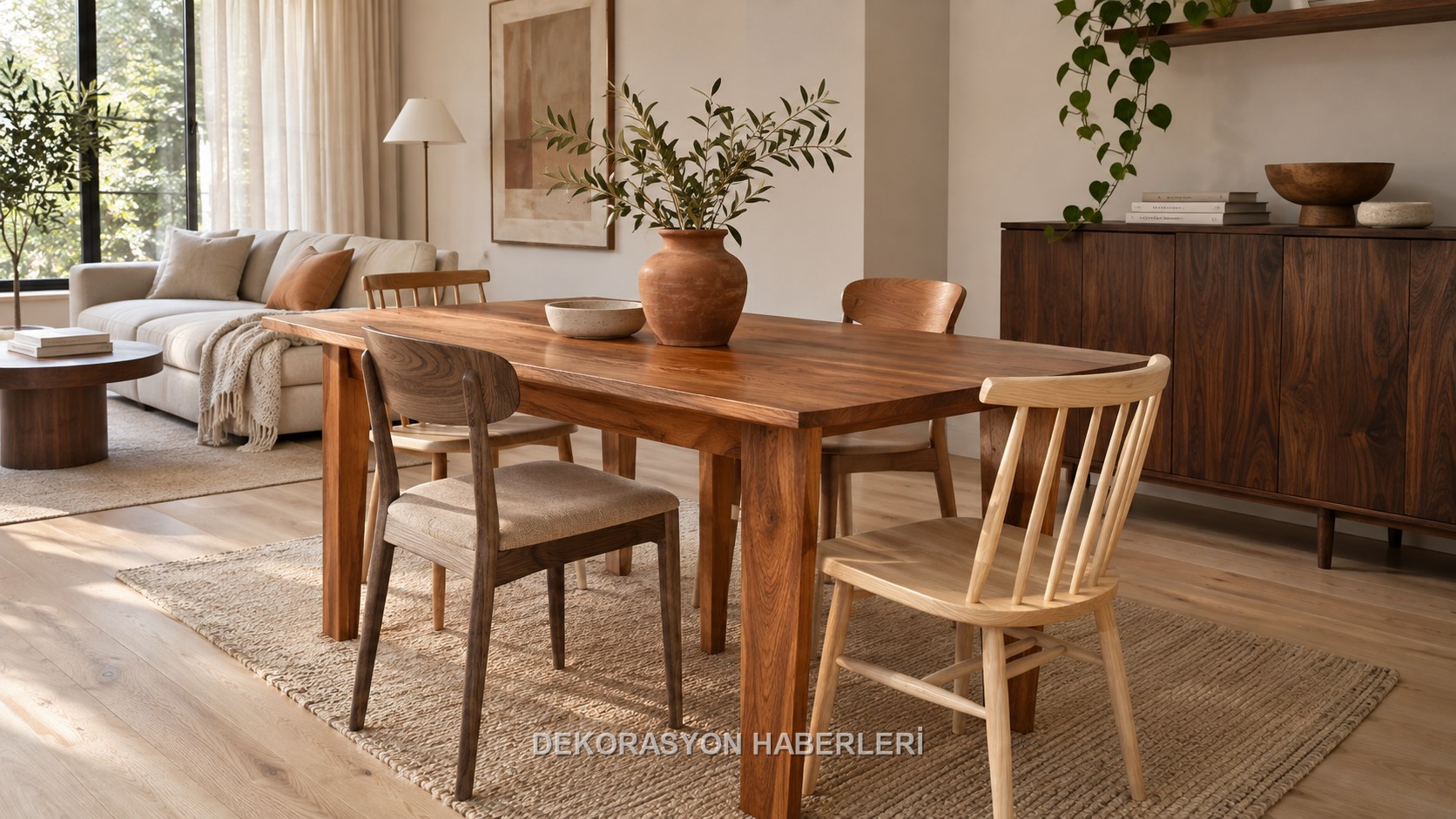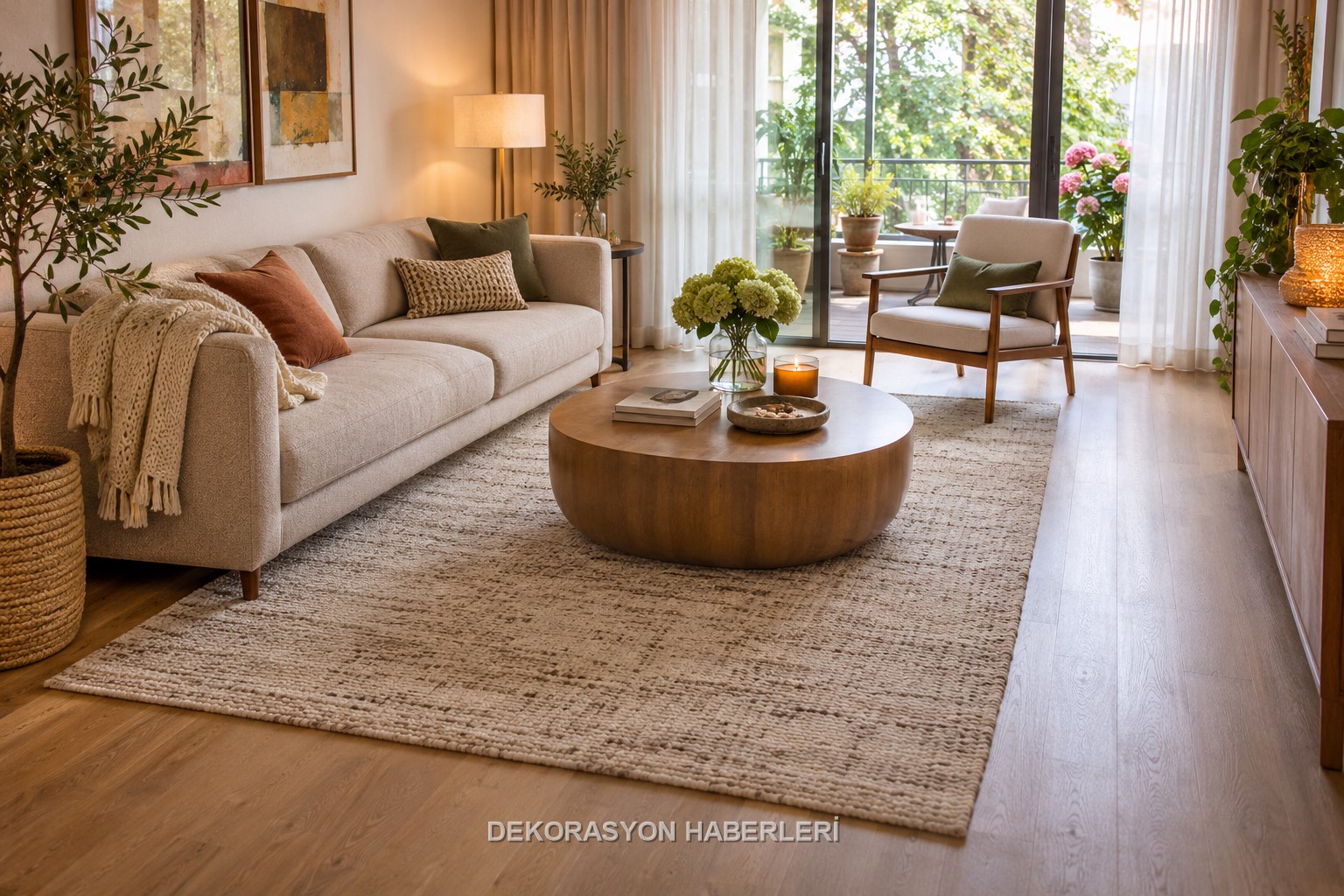
This story turns a decorating idea into a practical approach for real homes instead of simply presenting a look.
MEASURING GUIDE: read the house tips
Good design often starts with taking seriously a sign that's already visible in the home. Determining the width, height, edge security and passage distance of the coffee table according to the actual use of the living room. Monitor the area at three different times; As light, item flow, and user behavior change, the true boundary of the problem becomes clearer.
When deciding for the living room, combining sitting, talking, resting and passing movements into a single calm composition. Separate which existing parts work and which only take up space. Thus, the number of new products decreases; The order is established according to the habits of the household and the physical boundaries of the space.
Related guides: 14 square meter living room plan · Living room carpet measurement guide
First determine the boundary, then the product
Instead of choosing the product and fitting it to your home, first remove the safe use envelope. Marking the front line of the seat, the sitting distance, the main passage and the cleaning allowance around the coffee table with tape. Then identify the main passage and the space that should remain untouched for service; The remaining space is the actual product boundary.
When recording the measurement, check the top and bottom of the wall, the slope of the ground, and the narrowest passage in the carriageway. A short proof with the template makes it easier to see the ratio. If you have to carry another item every time to open a lid, the solution is not functional even if it seems small.
“The professional conclusion regarding the size of the coffee table and its distance from the sofa depends on the size, safe application and maintenance as much as the appearance.”
Test the sample in real light and real contact
Featured materials for this project: rounded edge, durable surface, lightweight portable body and floor-protecting stand. Instead of a color card, ask for a large sample with visible edges and seams. Touch feeling, brightness and traces remaining on the surface describe the daily character of the product better than the catalog photo.
Marking furniture footprints on the floor at full scale and trying different usage scenarios. View the sample in the morning and evening; If the manufacturer allows, do the stain and cleaning test on the invisible area. Using two main surfaces and a controlled emphasis, rather than multiple competing textures, strengthens unity.
Prove the system in small area first
Trying different sizes and shapes with cardboard, choosing not the biggest one but the one that meets the function without disrupting circulation. Test material compatibility, adhesion, color and cleanability on an inconspicuous spot. The result should be evaluated after complete drying; Early touch testing is not evidence of long-term durability.
If the pilot is correct, gradually increase the area with the same tool, mix ratio and movement. Keeping photographs and product information during operation creates a recipe for subsequent maintenance. At any stage that raises technical doubt, stop the application and get expert opinion.
Let the room decide on color, not the camera
Automatic white balance and screen brightness may mislead the true tone of the sample. Juxtapose the surface with the existing floor, wall and metal detail and evaluate it with the naked eye. Take into account that the larger surface may be perceived as darker and more dominant than the smaller card.
Glare and shadow are as important as the direction of the light in lighting. Two-way, balanced light provides more accurate vision in the area where work, care or facial treatment is performed. In wet areas or fixed connections, a product suitable for the location and competent application are essential.
Reduce expensive mistake, not cheap part
Suggestion for cost control: consider two lightweight side tables separated as needed instead of one large piece. Instead of searching for the lowest price, reduce the rework caused by wrong sizes, incompatible materials and poor installation. The technical document, reliable applicator and small test are therefore the real part of the budget.
Write down separate items that are needed now, can be added later, and can be dispensed with. Durability on frequently used surfaces; Prioritize flexibility in an infrequently used decorative piece. A repairable and locally serviceable product creates safer costs in the long run.
Most common mistake: covering up the result without solving the cause
The situation that should be avoided in this application is to place the heavy coffee table with sharp corners in the main passage in the small living room or to separate the height from the sofa seat. If the first sign recurs, find the underlying cause rather than just renewing the surface. Do not attempt in case of structural, electrical or water related doubt; Seek appropriate expert review.
Establishing a plan for local adaptation where screens, windows, radiators, doors and main passages do not block each other. Climate, building age, apartment rule and tenancy limit may change the solution. A flashy product without reliable supply, clear technical information and repair facilities is not a long-lasting choice.
Repeat the last check at the change of season
Regularly check connection loosening, surface rings and underfoot seals. Re-evaluate the same area in different seasons, as sun, humidity, heat and usage intensity change throughout the year. If discoloration, joint opening, odor and loosening are noticed early, intervention is limited.
If the tool needed for cleaning and maintenance does not easily reach the area, update the design. Removing unused accessories, replacing repairable parts, and storing product information will extend the life of the system. Lasting quality is the combination of appearance and ease of maintenance.
MEASUREMENT GUIDE: decision summary before application
The short working order of this file is as follows: First, mark the front line of the seat, the sitting distance of the person sitting, the main passage and the cleaning allowance around the coffee table with tape; Then try different sizes and shapes with cardboard, choosing not the largest one but the one that meets the function without disrupting circulation. At the material stage, compare the rounded edge, durable surface, lightweight portable body and floor-protecting feet options under the same light and usage conditions. If the measurement, proof and sample are not consistent with each other, do not proceed to the order or permanent application stage.
The main risk that requires you to reconsider the decision is to put the heavy coffee table with sharp corners in the small living room in the main passage or disconnect the height from the sofa seat. Considering two light side tables separated as needed instead of one large piece to save the budget; After starting to use, regularly check the connection loosening, surface rings and underfoot seals. Thus, the title of what should be the size of the coffee table and its distance from the sofa ceases to be an idea based solely on appearance, but turns into a home solution that can be measured and whose maintenance is planned.
Determining the width, height, edge security and passage distance of the coffee table according to the actual use of the living room. We have collected measurement, material, application, safety and maintenance decisions in a single guide.
Decision table
Application checklist
- ✓MEASURING GUIDE: read the house tips
- ✓First determine the boundary, then the product
- ✓Test the sample in real light and real contact
- ✓Prove the system in small area first
- ✓Let the room decide on color, not the camera
Most common mistake
Suggestion for cost control: consider two lightweight side tables separated as needed instead of one large piece. Instead of searching for the lowest price, reduce the rework caused by wrong sizes, incompatible materials and poor installation. The technical document, reliable applicator and small test are therefore the real part of the budget. Write down…
Care note
The short working order of this file is as follows: First, mark the front line of the seat, the sitting distance of the person sitting, the main passage and the cleaning allowance around the coffee table with tape; Then try different sizes and shapes with cardboard, choosing not the largest one but the one that meets the function without disrupting…
Frequently asked questions
What should be decided first for Coffee table size and clearance guide?+
Good design often starts with taking seriously a sign that's already visible in the home. Determining the width, height, edge security and passage distance of the coffee table according to the actual use of the living room. Monitor the area at three different times; As light, item flow, and user behavior change, the…
What should be checked before measuring and installation?+
Instead of choosing the product and fitting it to your home, first remove the safe use envelope. Marking the front line of the seat, the sitting distance, the main passage and the cleaning allowance around the coffee table with tape. Then identify the main passage and the space that should remain untouched for…
Which criteria matter when choosing materials?+
Featured materials for this project: rounded edge, durable surface, lightweight portable body and floor-protecting stand. Instead of a color card, ask for a large sample with visible edges and seams. Touch feeling, brightness and traces remaining on the surface describe the daily character of the product better than…
How should the maintenance plan be organised?+
The short working order of this file is as follows: First, mark the front line of the seat, the sitting distance of the person sitting, the main passage and the cleaning allowance around the coffee table with tape; Then try different sizes and shapes with cardboard, choosing not the largest one but the one that meets…