This story turns a decorating idea into a practical approach for real homes instead of simply presenting a look.
Divide bathroom tasks into three light needs
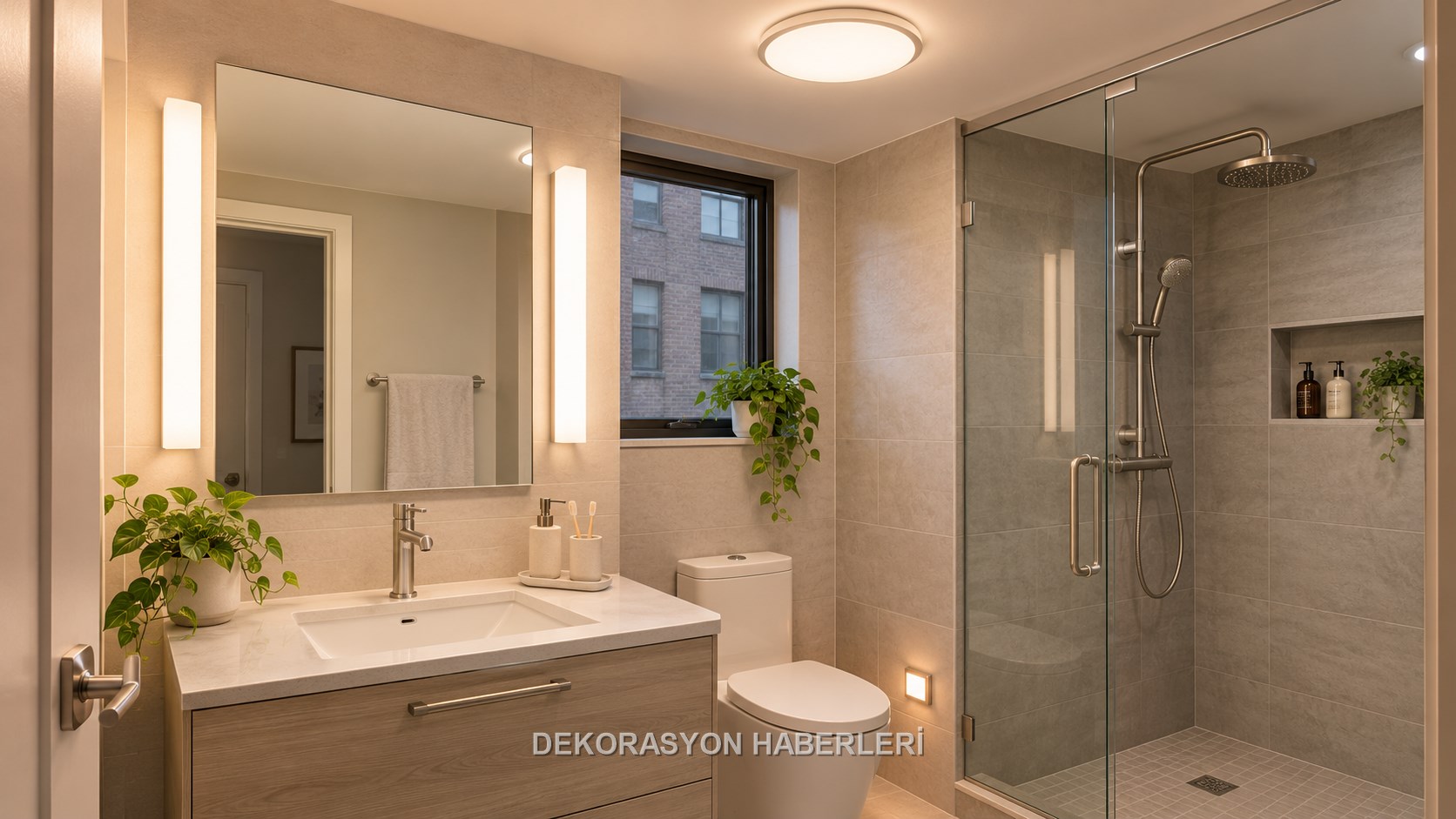
Treat “Small-bathroom lighting: a clear mirror and a safe room” as a planning question before it becomes a styling decision. Mirror front, general light and night orientation; Application file planning with wet room safety, color quality and glare. Begin by recording who uses the space, what they do there and which daily obstacle the change must remove.
Keep the existing features that already work and list the limits that cannot move, including doors, windows, services, circulation and storage. This short brief prevents an attractive reference image from becoming an impractical plan.
Move mirror light to the front and both sides of the face
Measure the area connected with small-bathroom lighting: a clear mirror and a safe room instead of relying on a general room size. Draw the usable width and height, mark switches, sockets, plumbing, heaters and opening arcs, then photograph the space in morning and evening light.
Test the idea at full scale with masking tape, cardboard or movable furniture. Walk through the route, open every door and repeat the most common task. A ten-minute physical test often reveals conflicts that a mood board cannot show.
“Good light in the bathroom shows the face clearly and ensures that every detail near the water remains safe and in the correct position.”
Bring general light behind shower curtains and partitions
Compare materials through performance as well as colour. Ask for technical information about cleaning, moisture, heat, abrasion, repair and indoor use, and view samples next to the existing floor, wall and furniture under the actual room light.
For small-bathroom lighting: a clear mirror and a safe room, choose the smallest material palette that can solve the job clearly. Repeating one finish in two places usually creates more coherence than adding several unrelated surfaces for visual interest.
Choose color temperature and color accuracy together
Plan the work in a reversible sequence: protect the room, prepare the surface, make a small trial, check the result in daylight and only then continue to the full area. Allow the stated drying, curing or settling time between stages.
Any change involving electricity, gas, waterproofing, structural fixing or heavy overhead loads should be checked by an appropriately qualified professional. Keep access to valves, junctions, drains and maintenance points visible.
Manage glare on glossy ceramics and mirrors
The common mistake with small-bathroom lighting: a clear mirror and a safe room is solving the photograph instead of the routine. Too many finishes, undersized clearances or inaccessible storage may look convincing for a moment but add friction every day.
Review the scheme from the doorway and from the main seated or working position. Remove one decorative element, confirm that circulation remains clear and make sure the focal point does not compete with essential lighting or storage.
Keep night light low and controlled
Finish the project with a simple care plan. Note the approved cleaner, inspection points and touch-up product, and keep leftover material or the exact colour reference in a labelled container for future repairs.
Reassess small-bathroom lighting: a clear mirror and a safe room after one week and again after a season. If the space is easier to use, safer to maintain and still visually calm, the decision is working beyond its first impression.
Mirror front, general light and night orientation; Application file planning with wet room safety, color quality and glare.
Decision table
Application checklist
- ✓Divide bathroom tasks into three light needs
- ✓Move mirror light to the front and both sides of the face
- ✓Bring general light behind shower curtains and partitions
- ✓Choose color temperature and color accuracy together
- ✓Manage glare on glossy ceramics and mirrors
Most common mistake
The common mistake with small-bathroom lighting: a clear mirror and a safe room is solving the photograph instead of the routine. Too many finishes, undersized clearances or inaccessible storage may look convincing for a moment but add friction every day. Review the scheme from the doorway and from the main seated or working position. Remove one decorative…
Care note
Finish the project with a simple care plan. Note the approved cleaner, inspection points and touch-up product, and keep leftover material or the exact colour reference in a labelled container for future repairs. Reassess small-bathroom lighting: a clear mirror and a safe room after one week and again after a season. If the space is easier to use, safer to…
Frequently asked questions
What should be decided first for Small-bathroom lighting: a clear mirror and a safe room?+
Treat “Small-bathroom lighting: a clear mirror and a safe room” as a planning question before it becomes a styling decision. Mirror front, general light and night orientation; Application file planning with wet room safety, color quality and glare. Begin by recording who uses the space, what they do there and which…
What should be checked before measuring and installation?+
Measure the area connected with small-bathroom lighting: a clear mirror and a safe room instead of relying on a general room size. Draw the usable width and height, mark switches, sockets, plumbing, heaters and opening arcs, then photograph the space in morning and evening light. Test the idea at full scale with…
Which criteria matter when choosing materials?+
Compare materials through performance as well as colour. Ask for technical information about cleaning, moisture, heat, abrasion, repair and indoor use, and view samples next to the existing floor, wall and furniture under the actual room light. For small-bathroom lighting: a clear mirror and a safe room, choose the…
How should the maintenance plan be organised?+
Finish the project with a simple care plan. Note the approved cleaner, inspection points and touch-up product, and keep leftover material or the exact colour reference in a labelled container for future repairs. Reassess small-bathroom lighting: a clear mirror and a safe room after one week and again after a season.…